
The Science of Clean Caffeine: Why Creatives & Developers Are Choosing Anhydrous Tablets Over Coffee
Tired of stomach acid, bathroom rushes, jittery spikes, and unpredictable coffee crashes? Discover why digital creators and software engineers are replacing brewed coffee with laboratory-pure anhydrous caffeine tablets for repeatable, laser-focused deep work.
Shamal Iroshan
October 1, 2026 6 min read

The Modern Creative's Complicated Love Affair with Coffee
Look around any bustling design studio, open-plan tech incubator, or home workspace: you will almost certainly find half-empty ceramic mugs, cold pour-over carafes, or crumpled energy drink cans littered across desk mats.
For knowledge workers—people whose livelihoods depend on hours of uninterrupted mental problem-solving, aesthetic precision, and cognitive stamina—caffeine is the single most widely consumed performance tool on Earth.
Yet for all its widespread cultural romance, brewed coffee is a surprisingly flawed vehicle for sustained cognitive output.
Between erratic caffeine dosing, severe stomach acid irritation, chronic enamel staining, and the infamous 2:30 PM post-coffee crash, many creatives find themselves trapped in a cycle of diminishing returns.
Here is why a growing cohort of digital designers, software engineers, and productivity enthusiasts are rethinking their caffeine intake—and switching to laboratory-grade anhydrous caffeine tablets paired with gentle, L-theanine-rich Japanese green tea.
1. The Variance Trap: How Much Caffeine Are You Actually Drinking?
When you order a latte from a specialty coffee shop or brew a French press at home, how much active caffeine are you consuming?
Most people assume an espresso shot contains a steady 65mg to 75mg of caffeine. But peer-reviewed pharmacological analyses reveal a startling truth: caffeine content in brewed coffee varies by up to 300% from cup to cup, even when sourced from the same barista or identical batch of beans.
Variations in bean origin, roast profile, grind coarseness, water temperature, brew contact time, and extraction pressure all dramatically swing the caffeine yield. On any given morning, your "double shot" could deliver anywhere between 90mg and 280mg of caffeine.
This wild volatility explains why some mornings you feel effortlessly dialed in, while other mornings you end up with jittery hands, a racing pulse, and an inability to focus on Figma or VS Code.
The Pharmaceutical Solution: Pure Anhydrous Caffeine
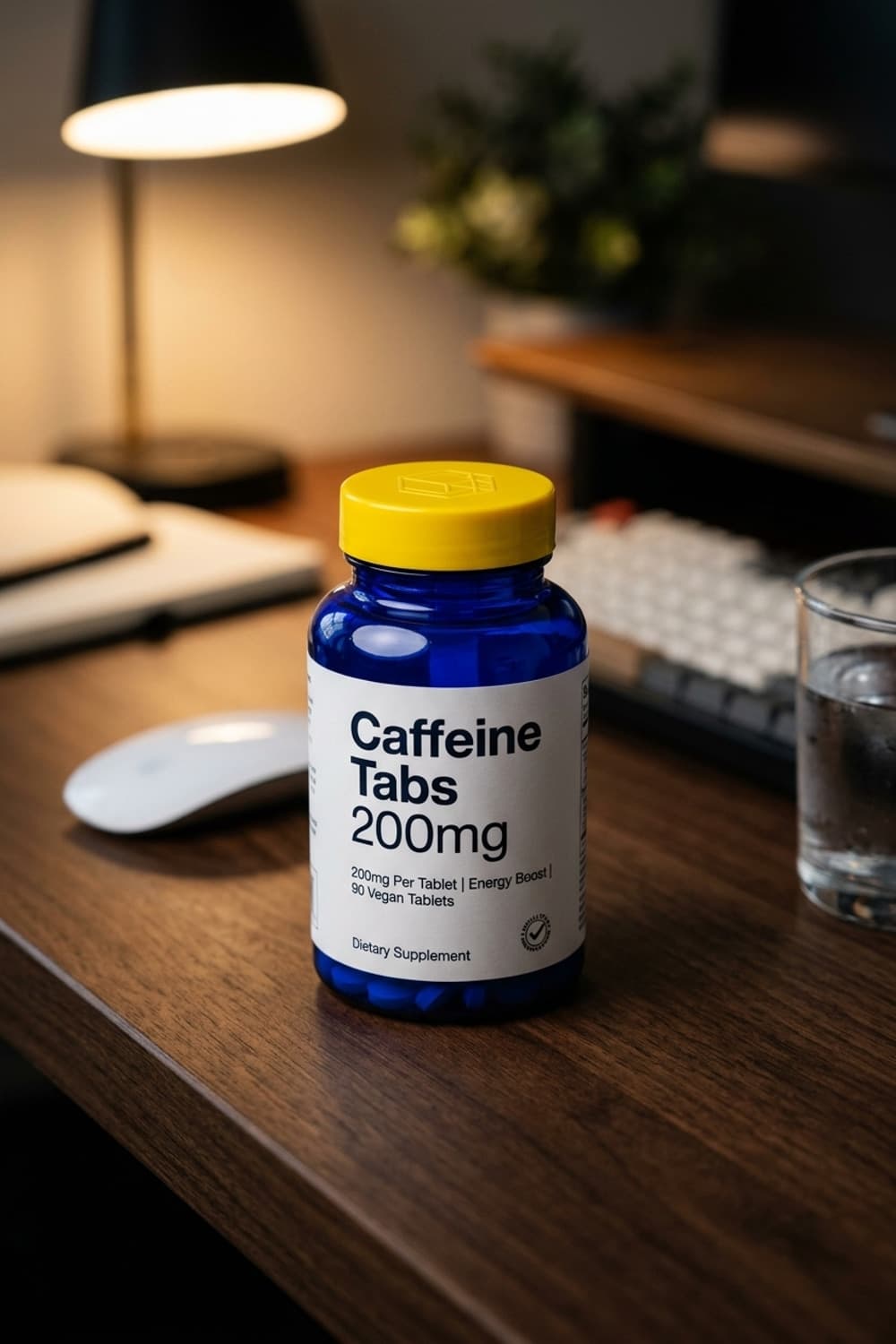
In contrast, caffeine anhydrous is pharmaceutical-grade dehydrated caffeine extracted and crystallized in strict laboratory conditions.
When you take a scored 200mg tablet like Yamamoto Nutrition Caffeine TABS, you receive exactly 200 mg of active compound—or precisely 100 mg when snapped in half along the score line. There is zero guesswork, zero variation, and zero unpredictability.
2. Gastric Acidity: Why Coffee Wrecks Your Stomach (And How to Fix It)
One of the least discussed downsides of heavy coffee consumption is its toll on the digestive tract.
Roasted coffee beans contain hundreds of volatile organic compounds, including:
- Chlorogenic acids (CGAs) that stimulate rapid hypersecretion of gastric acid.
- N-alkanoyl-5-hydroxytryptamides, waxes on the bean surface that provoke stomach lining inflammation.
- Oils and diterpenes (cafestol and kahweol) that delay gastric emptying and irritate sensitive gastrointestinal tissue.
For designers and programmers who sit for long hours, this acidic cocktail frequently manifests as acid reflux, epigastric burning, bloating, and urgent mid-meeting bathroom breaks.
Pure anhydrous caffeine tablets completely bypass these bean-derived irritants. The compressed tablet dissolves and absorbs smoothly in the small intestine within 15 minutes, delivering razor-sharp mental clarity with zero gastroesophageal reflux, zero heartburn, and zero gut discomfort.
3. The Power of Scored Microdosing
Cognitive neuroscience shows that caffeine follows an inverted U-curve of performance (the Yerkes-Dodson Law):
- Sub-therapeutic (<40mg): Negligible alertness.
- Optimal Range (80mg – 200mg): Heightened visual vigilance, accelerated reaction times, reduced perceived cognitive effort, and enhanced working memory.
- Excessive (>350mg): Jitters, motor anxiety, scattered attention, and cognitive tunnel vision.
The beauty of cleanly scored tablets is the ability to titrate your dose according to the task at hand:
┌──────────────────┬────────────────────────────────────────────────────────┐
│ Dose             │ Ideal Work Scenario                                    │
├──────────────────┼────────────────────────────────────────────────────────┤
│ 1/2 Tab (100mg)  │ Design reviews, client calls, email triage, afternoon  │
│                  │ energy lift without compromising evening sleep.        │
├──────────────────┼────────────────────────────────────────────────────────┤
│ 1 Full Tab (200mg)│ 3-to-4-hour deep work coding blocks, architecture design,│
│                  │ major deadline delivery, or intense creative sprints.   │
└──────────────────┴────────────────────────────────────────────────────────┘
4. The Vitamin B1 (Thiamine) Connection
High cognitive expenditure consumes significant amounts of cellular adenosine triphosphate (ATP) in brain neurons.
The Yamamoto Nutrition Caffeine TABS formula is specifically fortified with Vitamin B1 (Thiamine Hydrochloride). Thiamine is a vital nutritional cofactor required by pyruvate dehydrogenase to convert glucose into cellular energy in brain mitochondria.
By combining pure caffeine with thiamine, the formulation supports both central nervous system neurotransmission and steady mitochondrial energy production, ensuring your brain has the cellular fuel necessary to maintain multi-hour flow states.
5. The Calm Focus Stack: Pairing Anhydrous Caffeine with Ito En Green Tea & Matcha
While pure caffeine anhydrous solves the dosing and stomach acidity problems of coffee, pairing it with L-Theanine elevates cognitive performance to another dimension.
In neurobiology, caffeine + L-theanine is widely considered the gold standard nootropic synergy:
- Caffeine operates as an adenosine receptor antagonist, preventing sleepiness and accelerating cognitive processing speed.
- L-Theanine (an amino acid found naturally in high concentrations in Japanese green tea and matcha) crosses the blood-brain barrier to trigger alpha-1 brain wave activity (8–12 Hz). Alpha waves correlate with a calm, meditative state of alert flow.
- Crucially, L-theanine mitigates the cardiovascular side effects of caffeine—smoothing out blood pressure spikes and nervous motor tension while preserving razor-sharp concentration.
The 20-Second Desk Ritual: Ito En Oi Ocha with Uji Matcha
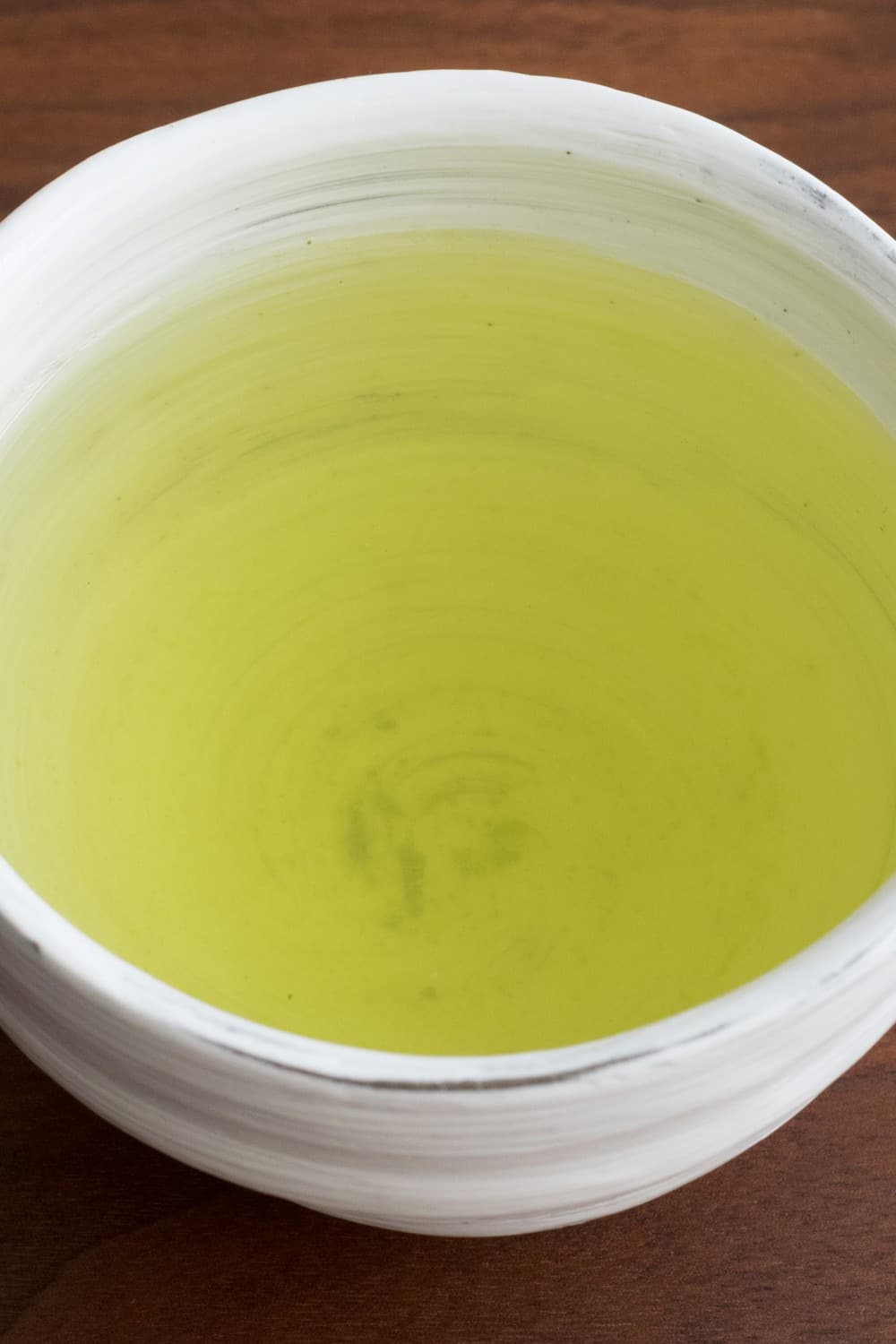
Instead of dealing with loose tea strainers or sugary bottled drinks, keep a box of Ito En Oi Ocha Green Tea with Matcha Eco Tea Bags at your desk.
Crafted in Japan by Ito En from 100% domestic sencha whole needle leaves blended with authentic stone-ground Kyoto Uji matcha, each triangular pyramid bag steeps a rich, vibrant jade-green cup in just 20 seconds.
It delivers continuous desktop hydration, rich catechins (EGCG), and soothing warmth that cushions your anhydrous caffeine intake—creating a clean, harmonious flow state that lasts all day long.
6. An Ideal Daily Focus Protocol for Creatives
To extract the maximum cognitive benefits while protecting sleep architecture, follow this battle-tested protocol:
- Hydrate First (7:30 AM): Upon waking, drink 500ml of room-temperature water with a pinch of electrolytes before consuming any caffeine. Allow your natural cortisol awakening response (CAR) to clear residual morning adenosine.
- First Deep Sprint & Calm Stack (9:00 AM): Take 1 tablet of Yamamoto Nutrition Caffeine TABS (200mg) with a glass of water. Then, steep a cup of Ito En Oi Ocha Green Tea with Matcha (20 seconds in 80°C hot water) to accompany your work. Dive straight into your highest-priority creative task for 90 to 120 minutes of uninterrupted, jitter-free flow.
- Midday Transition (1:30 PM): If facing an afternoon dip, snap a tablet along its center groove to take a 100mg half-dose, paired with a refreshing iced cold-brewed Oi Ocha tea.
- Caffeine Curfew (2:00 PM): Maintain a strict cutoff 8 hours before your target bedtime. Because caffeine has an average half-life of 5 to 7 hours, stopping early ensures your brain can smoothly transition into deep, restorative slow-wave sleep.
The Verdict
Switching from acidic, unpredictable brewed coffee to clean, scored caffeine tablets paired with authentic Japanese green tea isn't about giving up the sensory pleasure of a beverage. It is about treating your workday focus with the precision and deliberate care of a master craftsperson.
For pennies per day, Yamamoto Nutrition Caffeine TABS combined with Ito En Oi Ocha Green Tea with Matcha offer the purest, most dependable cognitive engine available for modern knowledge work.
Mentioned in this guide
As an Amazon Associate I earn from qualifying purchases. Price and availability are shown on Amazon and can change.
 Creative Fuel & Focus